
|
 • Home/Overview • Checklists • Database • Fieldwork • Phylogeography • Photo Gallery • Species pages • Endangered beetles • Personnel • Informatics • Collaborators • Collection • Bibliography • Support the project • Beetle links  | California Beetle Project > Species Pages > Pactopus horni Classification Scientific name: Pactopus horni LeConte Images (click to enlarge) 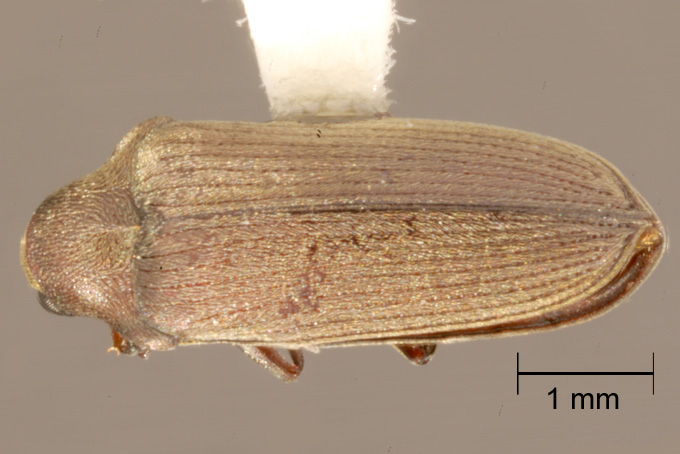 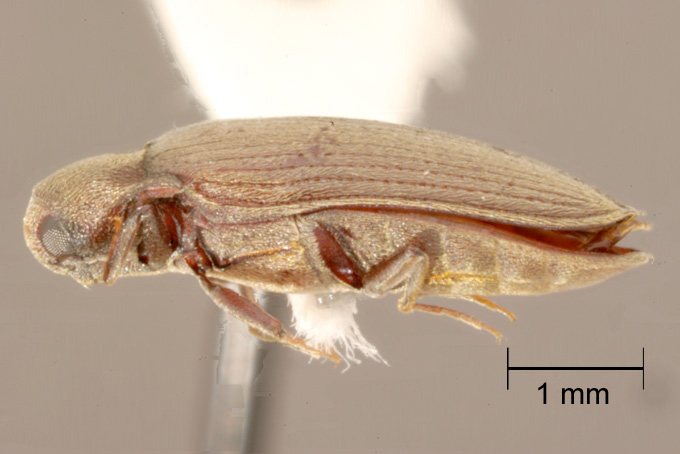 What it looks like: 2.7-6.0 mm in length. Its body is oblong and can range in color from red-orange to dark brown. Its head can be retracted deep into the thorax, and the underside of the body has grooves into which the legs and tarsi can be folded. The elytra have small striae, or shallow punctures, that run lengthwise in distinct rows along the wing coverings. The entire body is densely covered in small, fine hairs. Where you'll find it: This species is found all along the Pacific coast from British Columbia through southern California. Natural History: These beetles occur in wet regions that get lots of rainfall. When it is warm, they venture out into the open on vegetation. In the cooler months they are found deep in leaf and needle litter. This page was written by Maren Farnum, a 2005 California Beetle Project intern. |